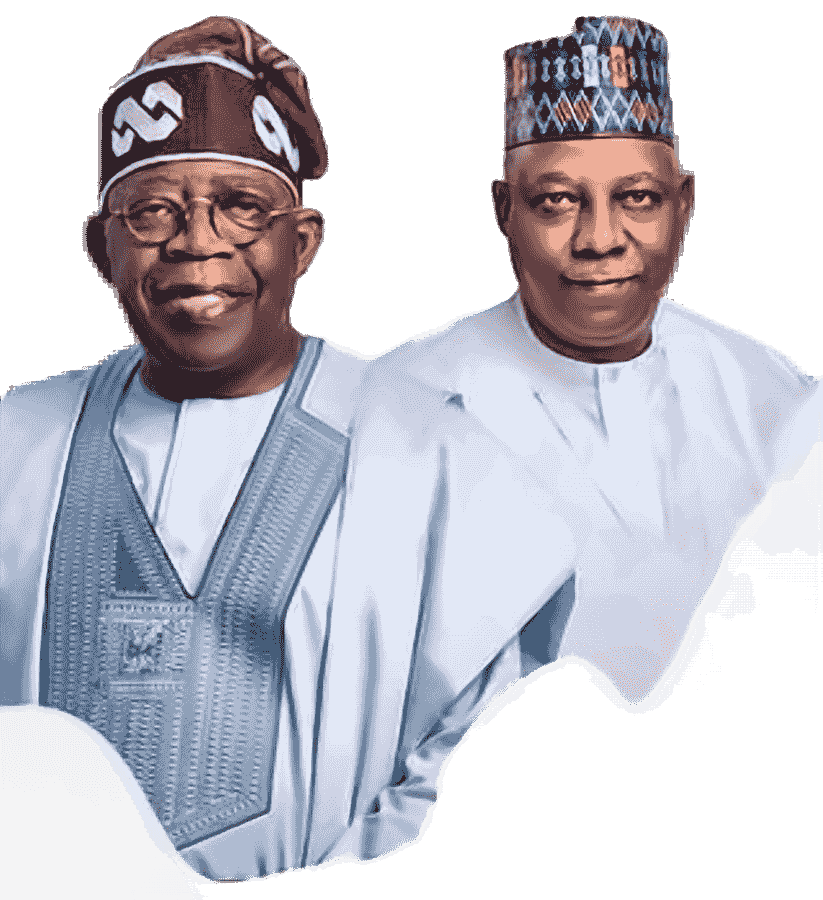

Across Nigeria, millions of elderly citizens carry within them the memory, labour, and sacrifice that shaped the families, communities, institutions, and economy we benefit from today. They are teachers and farmers, traders and civil servants, parents and grandparents whose contributions rarely appear in official records yet remain woven into the fabric of national life. Renewed Hope for the Elderly exists to ensure that their later years are met with the dignity and support they have earned.
Nigeria is home to an estimated 9.6 million people aged sixty and above, a figure projected to exceed twenty-five million by 2050. Yet many senior citizens continue to face poverty, exclusion from healthcare, social isolation, limited mobility support, energy poverty, and little or no access to formal social protection. These realities are not inevitable. They are the consequence of systems that have not yet placed elder welfare at the centre of national planning.
Making elder welfare a national priority is both a moral duty and a development necessity. Healthier, better-supported elders reduce pressure on families and health systems, strengthen intergenerational bonds, and allow communities to draw on the wisdom and stability that older citizens provide. When elders are included in clean energy access, digital inclusion, and preventive healthcare, the whole of society moves closer to the goals of equity and shared prosperity.
RHE believes that the measure of a nation is found in how it treats those who can no longer work but who once gave everything. By building a structured, transparent, and nationally coordinated movement, RHE invites government, communities, and partners to affirm a simple truth: when a nation protects its elders, it protects its memory, strengthens its communities, and secures its future.


